Welcome to Pulpulak.Com!

0
Liters Saved
0
Bottle Saved
Website visits

History Of Pulpulak

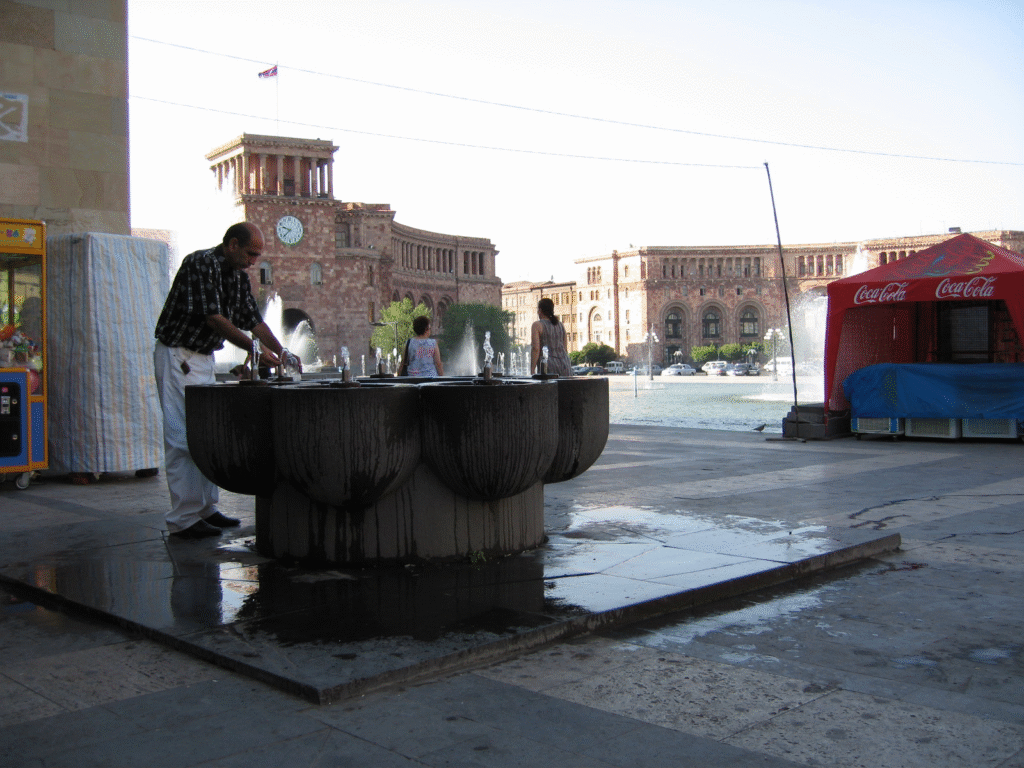
The pulpulak is a distinctive feature of Armenian culture, serving as a public drinking fountain that symbolizes the nation’s deep-rooted values of hospitality, community, and reverence for nature. These fountains are prevalent throughout Armenia, from bustling city centers to remote rural areas, offering free, clean drinking water to all.

How Pulpulaks Work

Pulpulaks are simple yet ingenious public drinking fountains commonly found throughout Armenia. They provide clean, free-flowing drinking water to the public, and their operation is based on a few fundamental principles of plumbing and water flow.

1. Water Source

Most pulpulaks are connected to a natural spring or municipal water supply. In many cases, they tap into underground sources of fresh, drinkable water.

2. Pump Pressure

The water typically flows to the pulpulak using gravity (if it’s from a higher-elevation spring) or is pumped under pressure from a centralized system.

3. Continuous Flow

Unlike modern fountains with buttons or sensors, traditional pulpulaks often run continuously. The constant flow helps keep the water fresh and prevents stagnation or bacterial buildup.

4. Basin and Drainage

Water that isn’t consumed flows into a shallow basin and is then directed away via underground drainage. This design ensures cleanliness and avoids water pooling around the fountain.

5. No Cups Needed

Designed for hygienic public use, most pulpulaks produce a gentle arc of water high enough that people can easily drink directly from the stream without touching it.

Community Engagement with Pulpulaks

Pulpulaks are more than just public drinking fountains—they are a vibrant part of Armenian social and cultural life, fostering community engagement in meaningful ways.

Gathering Spaces

Pulpulaks often serve as informal meeting points. In both urban and rural areas, people stop by to drink water, rest, chat with neighbors, or exchange news, making these fountains a focal point of daily life.

Community Maintenance & Stewardship

Many pulpulaks are maintained not just by municipalities but also by local communities. Residents often take pride in keeping them clean and functional, and in some cases, neighborhoods organize volunteer efforts to restore or beautify older pulpulaks.

Memorials and Tributes

Pulpulaks are frequently built or donated in memory of loved ones. These commemorative fountains serve as lasting tributes, strengthening emotional ties within the community and honoring shared values of generosity and remembrance.

Educational and Environmental Initiatives

Community groups and schools sometimes use pulpulaks as focal points for environmental awareness campaigns—teaching about water conservation, the importance of public resources, and reducing plastic waste through reusable bottles.

Digital Engagement

Newer initiatives, like mobile apps or websites (e.g., platforms mapping the locations of pulpulaks), have encouraged digital interaction. People can now report issues, share photos, or even adopt a local pulpulak for upkeep.

Blog